From Vision
to Monument
The remarkable journey of Kailasagiri — three decades of unwavering devotion transforming barren rock into a sacred marvel
A Journey of Faith
The Story of Kailasagiri
Quick answer
Kailasagiri Cave Temple began in 1991 when Sri Chowda Reddy, moved by a severe drought, envisioned a cave temple in the Ambajidurga hills near Chintamani, Karnataka. The Sri Gangadhareshwara Seva Trust was formed and the first deity consecrated in 1994; the main deities followed in 1996. Over three decades it has grown into the largest man-made cave temple built in the last 1,000 years.
Last updated: June 2026
The history of Shri Kailasagiri Guhantara Devalaya is not merely a chronicle of construction — it is a testament to the transformative power of divine faith. What began as one man's vision during a devastating drought has grown, through over three decades of tireless dedication, into the largest man-made cave temple complex built anywhere in the world in the last thousand years.
Each milestone in this sacred journey represents not just a physical achievement, but a spiritual triumph — a moment when the impossible yielded to the invincible power of devotion.
Sacred Milestones
Temple Timeline
The Divine Calling
In one of the most devastating droughts to strike Karnataka, the land lay parched and the people suffered. Amidst this period of profound hardship, a humble devotee named Sri Chowda Reddy experienced what he describes as a divine calling — an irresistible inner awakening that compelled him to dedicate his life to creating a sacred space for Lord Shiva.
While the drought brought suffering to many, for Sri Chowda Reddy it became the crucible in which an extraordinary vision was forged — a vision of magnificent caves echoing with sacred chants, where the eternal presence of Mahadeva would comfort and uplift generations of devotees.
Humble Beginnings
With nothing but unwavering faith and divine conviction, Sri Chowda Reddy began his sacred mission. The first structure was a small, humble shelter at Kavalaganahalli, nestled near the ancient Ambajidurga hills — a region steeped in mythological significance, where the Pandava prince Bhima is believed to have slain the demon Bakasura.
This modest shelter, built with bare hands and boundless devotion, was the seed from which a magnificent 20,000 sq ft cave temple complex would eventually grow. No architectural blueprint existed — only the blueprint of divine will etched in a devotee's heart.
Trust Established & Construction Begins
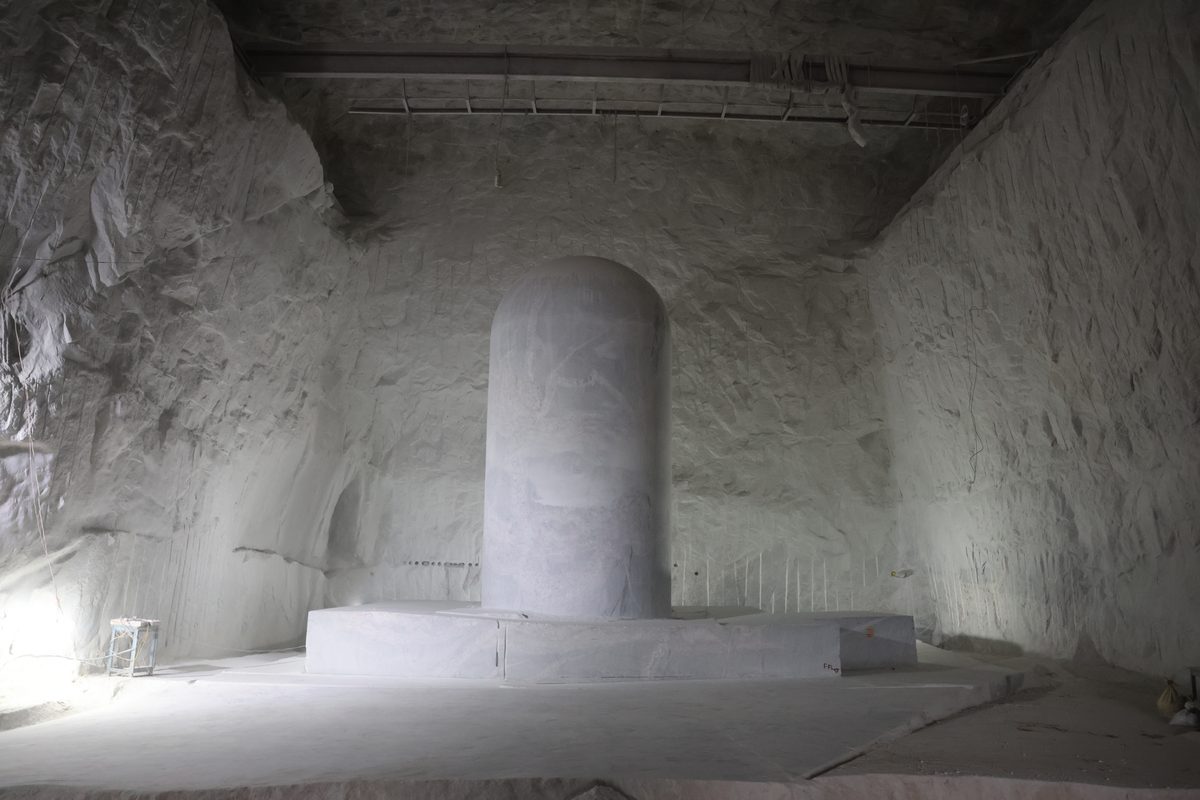
The Sri Gangadhareshwara Seva Trust was formally established, giving institutional structure to the spiritual vision. With the trust in place, the ambitious construction of the cave temple complex began in earnest.
A pivotal moment came with the appointment of the renowned Late Sri S.M. Ganapathi Stapathi as the chief sculptor and architect. A master of the Chola-Pallava sculptural tradition, Sri Stapathi brought the expertise needed to transform raw rock into divinely proportioned sacred spaces.
Under his guidance, the vision evolved from a simple shelter into a grand interconnected cave system — conceived as a modern-day echo of the great cave temples of Ajanta, Ellora, and Mahabalipuram.
First Consecration — Vallabha Ganapathi
A momentous milestone — the first deity was installed and consecrated. In keeping with Hindu tradition, Vallabha Ganapathi (Lord Ganesha) was the first to be invoked, as He is the remover of obstacles and the lord of all new beginnings.
The consecration ceremony marked the cave temple's transformation from a construction site into a living, breathing sacred space. With the divine presence of Lord Ganapathi now residing within its walls, Kailasagiri became a place of worship for the first time — devotees began making pilgrimages to offer prayers at this extraordinary new temple.
Grand Consecration — Chaturmukha Lingeshwara & Jagadambe
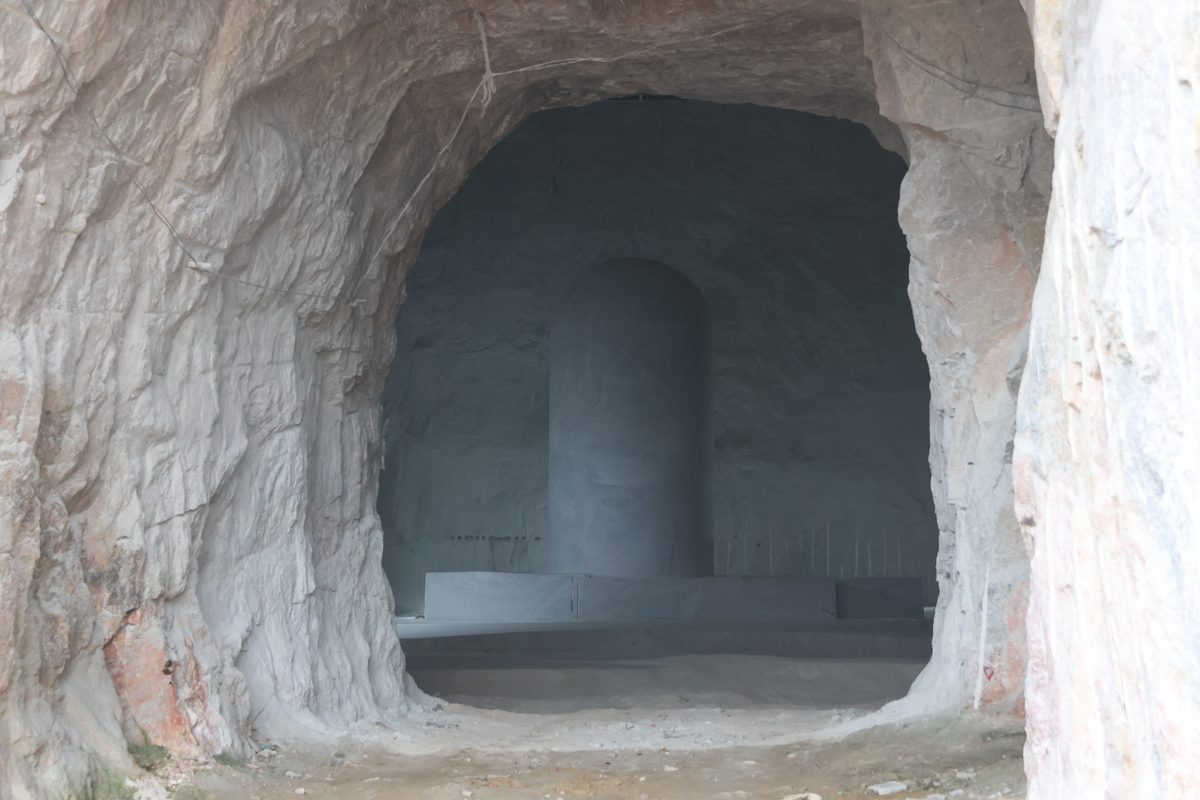
The most sacred event in the temple's history — the grand consecration (Maha Pratishtha) of the two principal deities. Chaturmukha Lingeshwara Swamy, the magnificent four-faced Shiva Linga, was installed as the presiding deity of the entire complex. Alongside Him, Goddess Jagadambe, the Mother of the Universe, was consecrated in her own sacred cave shrine.
The elaborate consecration rituals, conducted over several days by learned priests following ancient Agamic traditions, infused the stone with divine energy. From this moment, Kailasagiri stood as a fully consecrated Shiva temple — a place where the boundary between the mortal and divine realms grew thin.
Anna Danam — The Tradition of Free Meals Begins
In the spirit of selfless service (Nishkama Seva), the temple inaugurated its Anna Danam program — the sacred tradition of offering free meals to every visitor regardless of caste, creed, or social standing. This act of devotion reflects the ancient Indian belief that feeding the hungry is among the highest forms of worship.
Remarkably, this tradition has continued unbroken for over 25 years — through droughts, floods, festivals, and even the pandemic. Every single day, from 12:00 PM to 3:00 PM, over 400 devotees are served nutritious vegetarian meals prepared with love and offered with reverence.
The Anna Danam program stands as one of the most enduring charitable feeding programs in the region — a living embodiment of the temple's commitment that no devotee should leave hungry from the Lord's abode.
A Living Marvel — 20,000 Sq Ft of Sacred Splendor
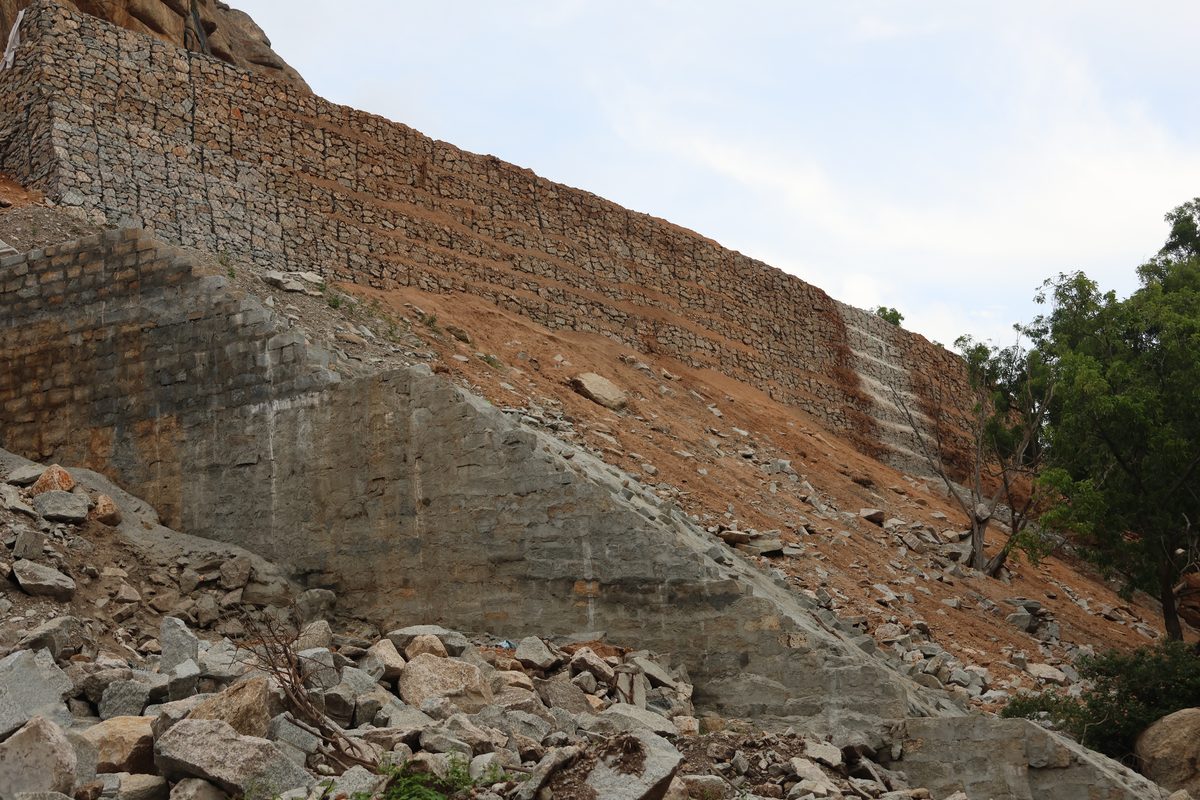
Today, Kailasagiri Guhantara Devalaya spans over 20,000 square feet of interconnected man-made caves — making it the largest such complex created anywhere in the world in the last 1,000 years. Nine magnificent deities have been installed and consecrated within the sacred chambers.
The complex includes a grand main hall seating 400, a dedicated Yaga Shalla for fire rituals, three primary shrine caves, a meditation hall, and extensive pathways connecting the various sacred spaces. The temple draws thousands of devotees annually, with major festivals like Maha Shivaratri bringing visitors from across India.
Ongoing development of the Kshetra is in progress in an extent of 16 acres. The temple continues to grow, driven by the same divine vision that inspired its creation over three decades ago.
The Vision Continues
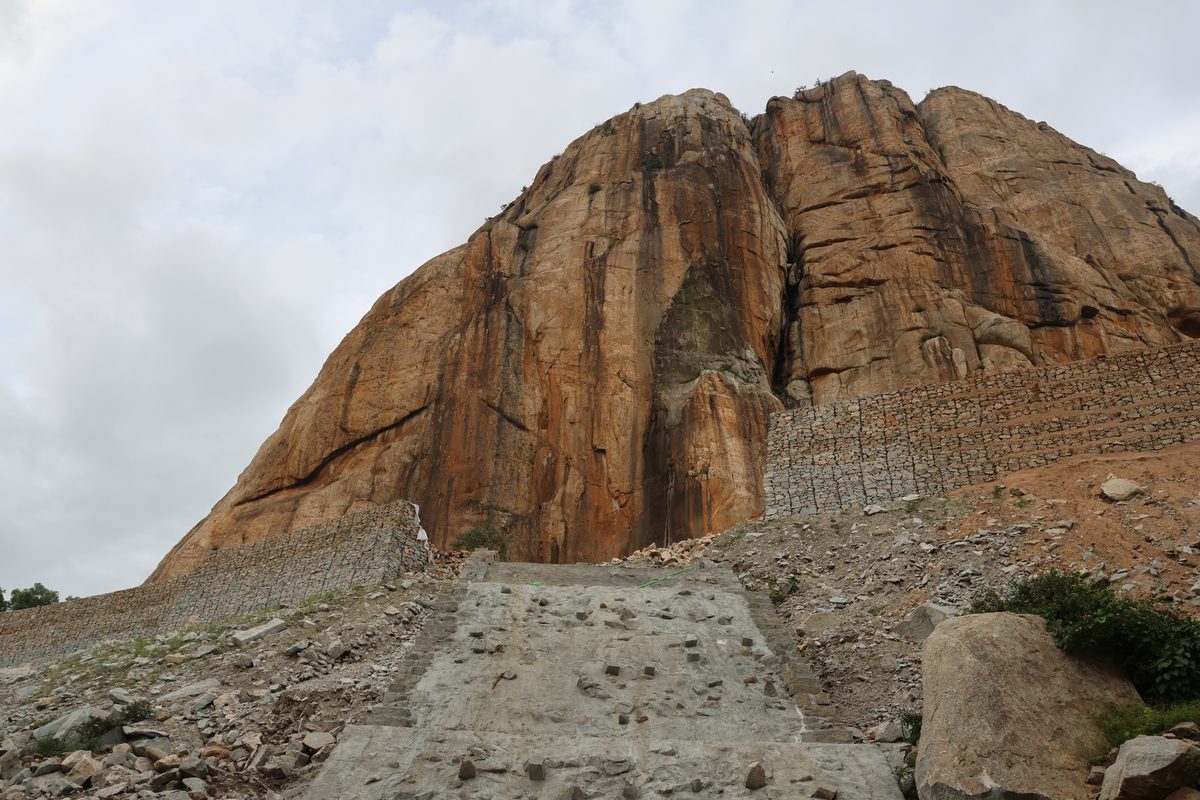
The sacred journey of Kailasagiri is far from complete. The immediate future holds the installation of the Swayambhu Linga — a self-manifested Shiva Linga that will add yet another dimension of divine presence to the complex.
Further expansion plans envision additional cave chambers, enhanced pilgrim facilities, and continued development of the temple infrastructure to accommodate the growing number of devotees who make their way to this sacred hilltop.
The dream that began in 1991 with one man's divine calling continues to unfold — each new stone carved is a prayer, each new cave hollowed is an offering, each new shrine created is a testament to the eternal truth that devotion can move mountains.
Be Part of This Sacred Journey
Support the Living Legacy
Your contribution helps continue three decades of sacred construction and feeds over 400 devotees daily through our Anna Danam program.